
 +234-703-1978-233
How to Become a Successful Music Artist in Nigeria
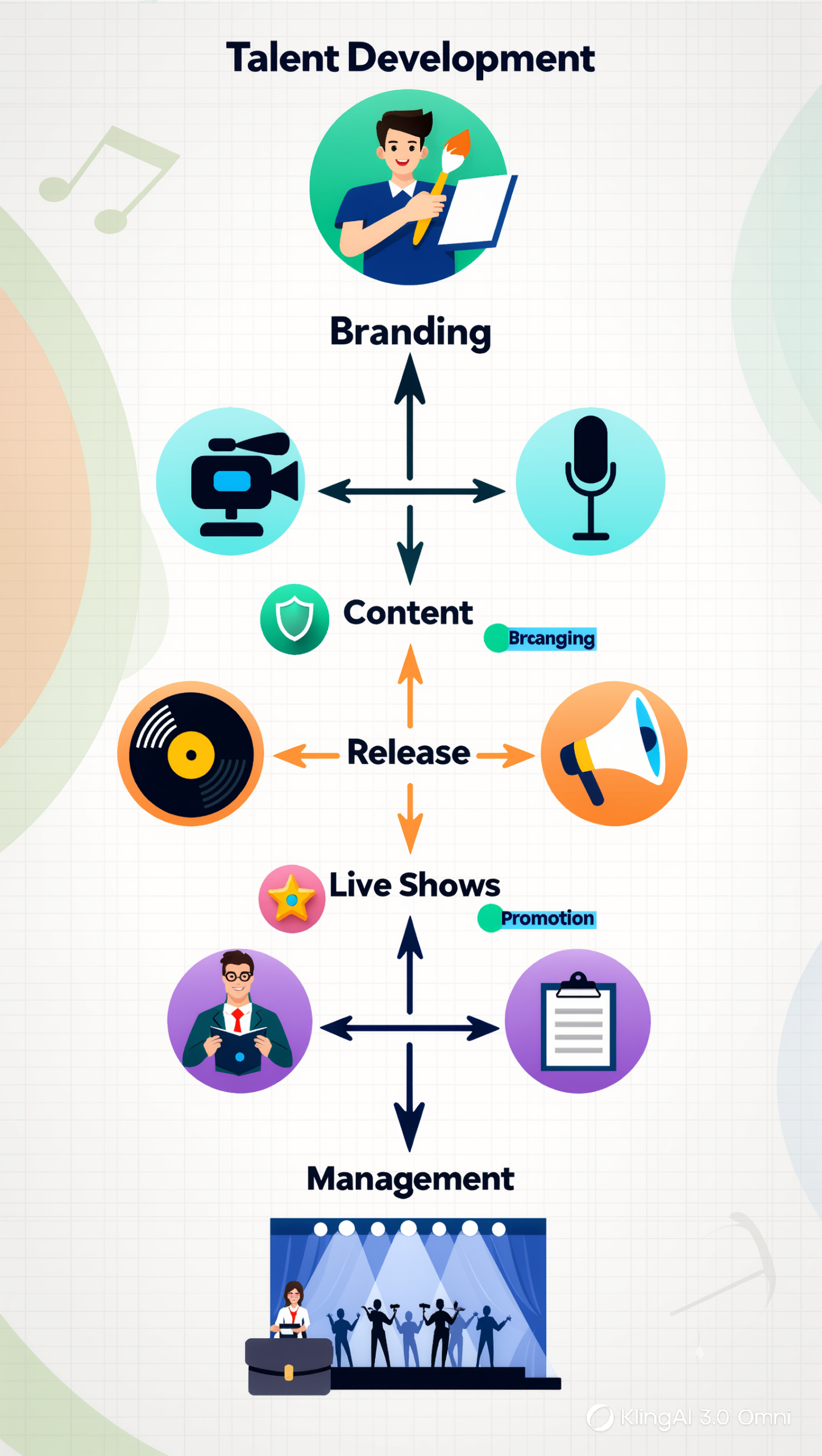
Challenges facing upcoming artists in Nigeria (saturation, visibility, monetization)
Nigeria’s music industry has never been louder, more visible, or more competitive. Afrobeats has become a genuine global export, streaming numbers keep climbing, and international labels are actively scouting Nigerian talent. But for every artist who breaks through, thousands more are stuck making noise in a saturated market, releasing songs that barely leave their city, struggling to turn plays into income, and unsure of what actually moves the needle.

If you’re an emerging artist trying to figure out how to build a real career, this guide walks you through the practical steps: developing your talent, building a brand people remember, using social media strategically, releasing music the right way, performing live, networking with the right people, and knowing when to bring in professional management.
The Reality Facing Upcoming Artists in Nigeria
Before the strategy, it helps to understand the terrain.
Saturation. Thousands of new songs are uploaded to streaming platforms every day. Standing out on talent alone is no longer enough; you need positioning, consistency, and a system behind you.
Visibility. Talent doesn’t automatically translate into an audience. Many gifted artists in Nigeria remain unknown outside their immediate circle simply because no one is actively working to get their music in front of the right listeners.
Monetization. Streaming payouts in Nigeria are still modest compared to Western markets, which means artists increasingly need multiple income streams: live shows, brand partnerships, sync licensing, and merchandise, rather than relying on streams alone.
Understanding these challenges upfront is what separates artists who plan a career from artists who just release songs and hope.
Step 1: Develop Your Talent and Sound
Everything starts here. Before branding or marketing can do any work, your music has to be genuinely good, and more specifically, it needs a clear identity.
- Master your craft. Take vocal training, production, or songwriting seriously. Consistency in quality builds trust with listeners over time.
- Find your sound. Are you Afrobeats, Amapiano-influenced, alté, gospel, hip-hop, or something that blends genres? Artists who sound like “a bit of everyone” struggle to be remembered; artists with a distinct signature sound get recognized.
- Record demos and test songs. Before a full rollout, test material with a small trusted audience to see what resonates.
Step 2: Build a Strong Personal Brand
In 2026, your brand is often the first thing people encounter before they even hear your music.
- Define your identity. What do you stand for? What’s your visual style, your personality, your story? Burna Boy’s brand is different from Asake’s, which is different from that of Tems, and that distinction is deliberate, not accidental.
- Create a consistent visual identity. Cover art, color palettes, and photography should feel like they belong to the same artist across every platform.
- Craft your story. Audiences connect with narrative, not just sound. Where are you from? What’s your journey? What do you want listeners to feel?
Step 3: Use Social Media Strategically
Social media is where most Nigerian audiences discover new music today, particularly TikTok, Instagram, and increasingly YouTube Shorts.
- Post consistently, not sporadically. Algorithms and audiences both reward artists who show up regularly.
- Create short-form content built around hooks from your songs; a 15-second snippet is often more powerful than a full music video for early discovery.
- Engage with your audience directly. Reply to comments, go live, show behind-the-scenes moments. Parasocial connection drives loyalty.
- Study what’s working. Watch which sounds, formats, and trends are gaining traction, and adapt them to your own style rather than copying wholesale.
Step 4: Record and Release Music the Right Way
A great song released carelessly can still fail. Strategy matters as much as the music itself.
- Invest in quality production and mixing. Nigerian listeners have high standards, shaped by a market full of polished, radio-ready records.
- Plan your release strategy. Singles with a rollout plan (teasers, pre-save links, content drops) consistently outperform songs uploaded with no lead-up.
- Distribute properly. Use a reliable distributor to get your music onto Spotify, Apple Music, Audiomack, Boomplay, and YouTube Music. Boomplay and Audiomack in particular carry significant weight with Nigerian audiences.
- Register your music properly with a collection management organization so you can earn royalties from airplay and public performance.
Step 5: Perform Live and Build Real-World Presence
Streaming builds numbers; live performance builds fans.
- Start local. Campus shows, lounges, open mics, and small festivals are where many successful Nigerian artists cut their teeth.
- Treat every performance as an audition. You never know who’s in the room: a promoter, a blogger, a manager, a label A&R.
- Build a live show identity. Energy, stage presence, and a memorable performance are what convert casual listeners into loyal fans.
Step 6: Network With the Right People
Nigeria’s music industry, like most creative industries, runs heavily on relationships.
- Connect with producers, other artists, and content creators who can collaborate with or amplify you.
- Attend industry events, showcases, and listening parties.
- Build genuine relationships with bloggers and media platforms, rather than only reaching out when you need something.
Consistent, respectful networking compounds over time; many breakthrough moments in Nigerian music can be traced back to a single connection made months or years earlier.
Step 7: Understand the Role of Professional Management
At a certain point, doing everything yourself becomes the ceiling rather than the strategy. This is where professional artist management changes the trajectory of a career.
A good management team handles the things most artists aren’t equipped to do well or don’t have time to do well:
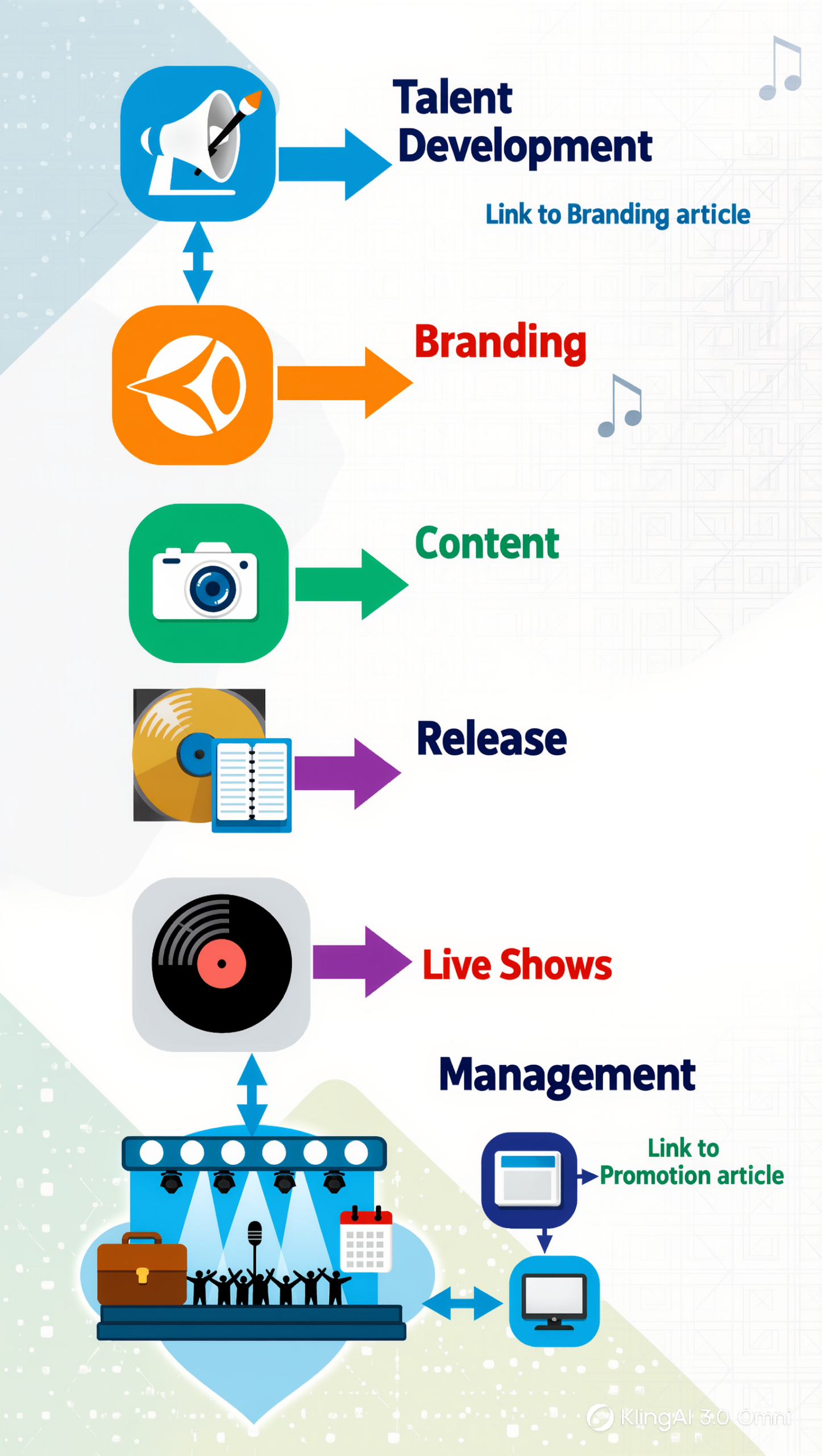
- Scouting and development, identifying where your talent fits in the current market and how to position it.
- Strategic positioning, shaping your brand and rollout so you’re not just another voice in a crowded space.
- Promotion and industry access, opening doors to press, playlists, brand deals, and collaborations that are difficult to reach independently.
This is exactly the gap Shy Talker exists to close. Rather than leaving emerging artists to figure out branding, promotion, and industry relationships alone, Shy Talker works with talent to build a structured path from raw potential to a positioned, marketable artist. If you’ve read our earlier guide on how to get a talent manager, this is the natural next step: understanding what a career actually requires before you walk into that conversation.
Learning From Artists Who’ve Done It
Look at any Nigerian artist who’s broken through in the last few years, and a pattern emerges: distinct sound, consistent content, strategic release timing, and almost always, a team behind them handling the parts of the business that talent alone can’t cover. Artists like Regina Anne represent the kind of story emerging talents can learn from: building an identifiable sound and brand, staying consistent, and pairing raw talent with the right support system at the right time. The common thread isn’t luck; it’s structure.
Common Mistakes to Avoid
- Releasing music with no plan. Uploading a song and hoping it “goes viral” rarely works.
- Inconsistent branding. Constantly changing your sound, image, or name confuses your audience.
- Ignoring data. Not paying attention to which content or songs perform well means repeating the same mistakes.
- Doing everything alone for too long. Independence is valuable early on, but refusing help once you’ve outgrown DIY methods slows growth.
- Underestimating contracts and business basics. Many promising careers stall due to bad deals signed without proper guidance. Know what you’re agreeing to before you sign anything.
Final Thoughts: Talent Alone Isn’t Enough
Nigeria’s music scene in 2026 rewards artists who treat their career like a business, not just a hobby. Talent gets you in the room, but sound identity, branding, consistent content, live performance, and the right team are what keep you there and take you further.
If you’re serious about turning your talent into a sustainable career, you don’t have to figure it all out alone.
Apply for management at Shy Talker and take the next step toward building a real, structured career in music.
 Previous Post
 Next Post